Why Wired Earbuds Still Matter
Wireless earbuds are convenient, but they are not always the simplest choice. Batteries age, Bluetooth connections can fail, and compact charging cases are easy to misplace. Wired earbuds avoid those problems while remaining ready whenever you plug them in. For commuting, work calls, gaming, or keeping a spare pair in a bag, that consistency still has practical value.
Price is another advantage, though low cost alone does not make a model worthwhile. Some overlooked earbuds deliver balanced sound, useful microphone quality, and comfortable designs without carrying the premium attached to familiar brands. Others cut corners with harsh tuning, fragile cables, or poor fit. The challenge is identifying which compromises are acceptable for your habits, phone, and budget rather than assuming mainstream visibility equals better performance.
What Makes an Earbud Underrated?
An underrated earbud is not simply one that costs less or comes from a lesser-known brand. It earns that label by delivering more of what matters in daily use than its price suggests. That may mean a natural vocal range for podcasts, controlled bass for music, a secure fit during commutes, or a cable that survives being pulled from a pocket repeatedly. Strong alternatives often become overlooked because they lack prominent advertising, fashionable packaging, or broad retail distribution.
Look for evidence across several areas rather than focusing on one impressive specification. A useful earbud should match your device, include a connector you can actually use, and remain comfortable after an hour instead of only feeling good during a quick test. Build quality matters, but heavier housings are not automatically tougher or better. The same applies to sound: extra bass can seem exciting at first while masking voices and details. An underrated model usually succeeds through balance, consistency, and sensible compromises—not because it wins a single specification contest.
The Best Picks for Everyday Listening

For everyday listening, the strongest choices are usually the balanced ones rather than the most dramatic. The Panasonic ErgoFit remains a sensible low-cost option for podcasts, video, and casual music because its light housing is easy to wear and replace. The Final E1000 is a better step up when natural vocals and a less tiring presentation matter more than strong bass. For listeners who want clearer detail and do not mind a slightly more noticeable fit, the Moondrop Chu II offers impressive sound for its price, though its detachable cable adds convenience only if replacement parts are easy to find.
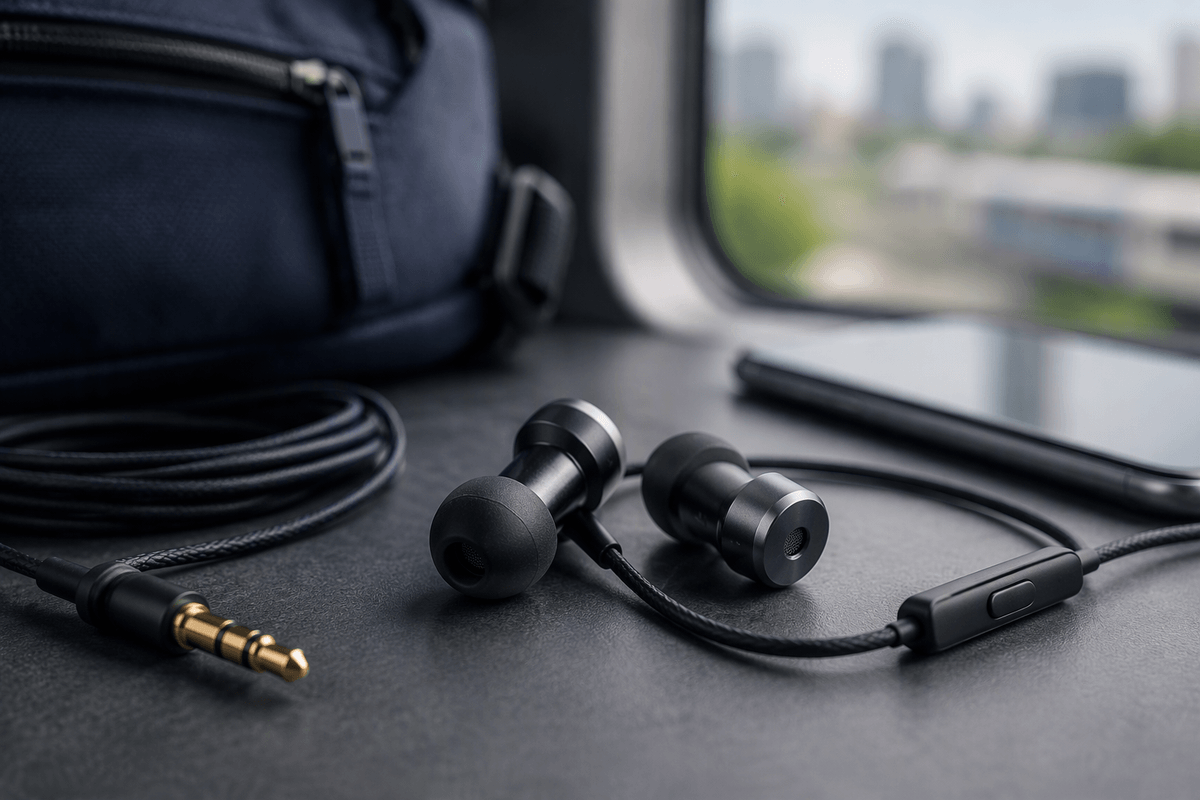
Device compatibility should narrow the list before sound preferences do. A model with an in-line microphone may be useful for a laptop or phone, but microphone quality varies and some controls work poorly across operating systems. USB-C versions can be convenient, yet they may become useless when you change devices, while traditional 3.5-millimeter models may require an adapter on newer phones. These earbuds also differ in isolation and bass response, so the best pick depends on whether you listen in a quiet room, on public transport, or while moving around. No inexpensive model excels at everything, and replaceable tips or cables can matter more than a small difference in tuning.
When Sound Quality Comes First
When sound quality comes first, start by deciding what “better” means for your listening rather than chasing the most detailed specification. A neutral earbud can make vocals, acoustic instruments, and dialogue easier to follow, while a bass-forward model may suit electronic music or hip-hop but blur lower voices. The 7Hz Salnotes Zero is a strong example of an inexpensive, relatively balanced option with clear mids and treble. The Tangzu Wan’er offers a smoother, warmer presentation that can be more forgiving with bright recordings. Neither is universally superior, and both rely on a good seal from the included tips.
More expensive wired models can improve refinement, separation, and comfort, but the gains are not always obvious in noisy environments or from compressed streaming services. Fit remains part of sound quality: a loose earbud loses bass and makes detail seem thin, while an overly sealed design can feel uncomfortable over time. Some models also expose poor recordings, phone adapters, or weak sources more clearly. That can be useful for critical listening, but it may make everyday playlists less pleasant. Choose the tuning you can enjoy for long sessions, not merely the one that sounds most impressive for five minutes.
Comfort, Calls, and Daily Friction
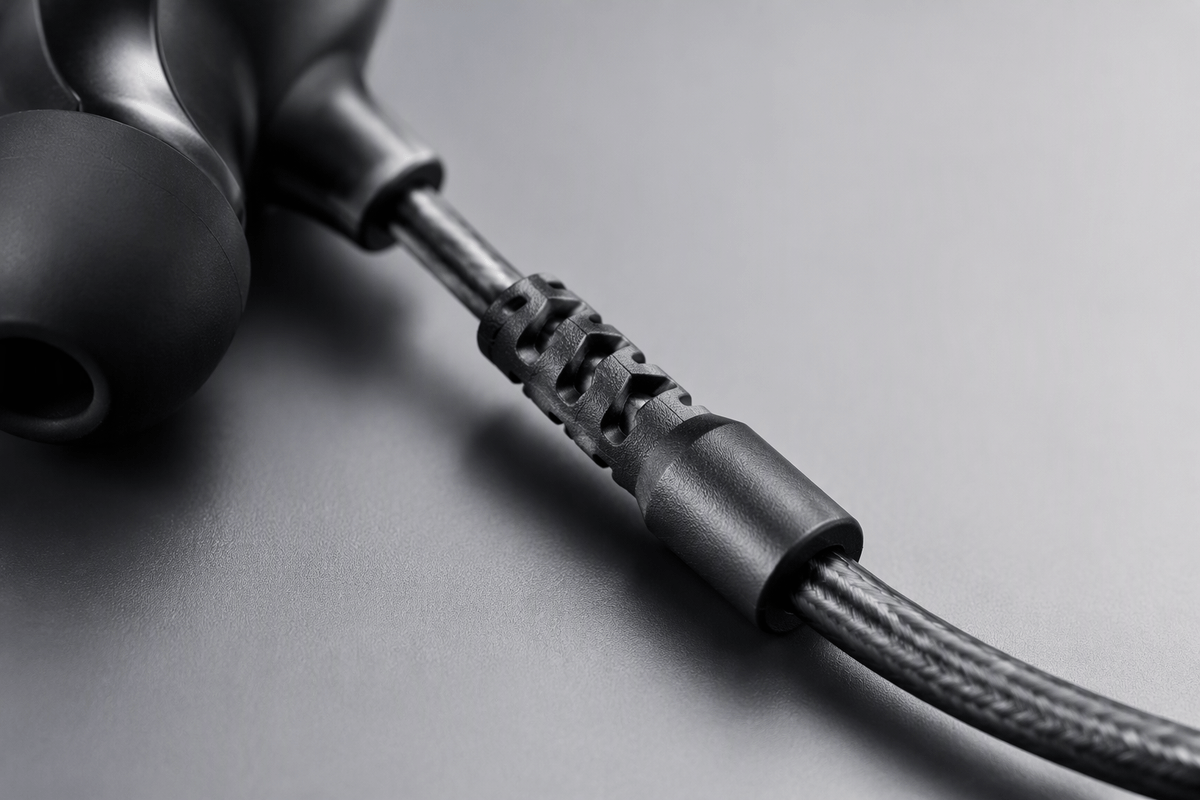
A comfortable earbud should disappear during use, not demand constant adjustment. Lightweight housings usually help, but shape matters just as much: a shallow design may suit small ears while slipping during movement, whereas a deeper fit can stay secure but create pressure after an hour. Included tips are only a starting point, so trying another size can improve both comfort and bass response. Cable noise is another source of daily friction, especially when the cord rubs against clothing during walks or commutes. A simple shirt clip or wearing the cable over the ear can reduce it, but not every design makes that practical.
Calls introduce separate trade-offs. An in-line microphone is convenient, yet it may sound muffled outdoors or pick up substantial handling noise. Button controls can also behave differently between Android phones, iPhones, laptops, and adapters. Before buying, confirm that the microphone and controls match the device you use most. Even a well-tuned earbud becomes a poor value if callers cannot hear you, the cable tangles constantly, or its connector loosens after repeated use. Durability is rarely proven by appearance alone, so strain relief, replaceable cables, and a sensible return policy deserve attention.
Choosing Around Your Phone and Budget
The phone you use should determine the connector before sound quality enters the comparison. A 3.5-millimeter model remains the most flexible when paired with laptops, handheld consoles, older phones, or a reliable USB-C adapter. USB-C earbuds can be simpler with newer devices, but compatibility is less predictable: microphones, buttons, and digital audio chips do not always work equally well across phones and computers. Check whether your device supports analog audio through its port, and remember that a cheap adapter can introduce noise or fail to support the microphone.
Budget should reflect replacement risk as well as the purchase price. A $20 earbud with a detachable cable may be a better long-term choice than a $10 model that must be discarded after one damaged lead. Spending more can also buy better tips, stronger strain relief, or a microphone that is genuinely usable, but diminishing returns arrive quickly for casual listening. Set a practical ceiling, then prioritize the feature you will notice every day: comfort for long sessions, isolation for commuting, clear vocals for calls, or a tuning that suits your music. That approach prevents a bargain from becoming an avoidable compromise.
A Smarter Way to Buy Wired
A smarter purchase starts with a short checklist: connector, fit, microphone needs, sound preference, and replacement options. Compare those practical details before reading another specification or review. If possible, buy from a seller with a clear return policy, since comfort and seal are difficult to judge from photographs. Treat unusually low prices cautiously when reviews mention inconsistent quality, weak strain relief, or counterfeit stock. A modestly priced model from a dependable source is often safer than a supposedly exceptional bargain.
The best overlooked wired earbud is the one that avoids problems you will actually notice. Choose balanced tuning if you listen broadly, stronger isolation for commuting, and a detachable cable when long-term durability matters. Accept that no model will provide perfect calls, universal controls, and premium sound at the lowest price. A careful match between your device, habits, and priorities is more valuable than chasing the most popular recommendation.